
In the dynamic realm of digital marketing, two essential strategies take center stage: Search Engine Optimization (SEO) and Search Engine Marketing (SEM). While these terms are often used interchangeably, they represent distinct approaches to enhancing online visibility and driving traffic to websites. This blog aims to unravel the intricate web of SEO and SEM, shedding light on their differences, benefits, and how businesses can leverage each to maximize their online presence.
Unveiling the Essence of SEO
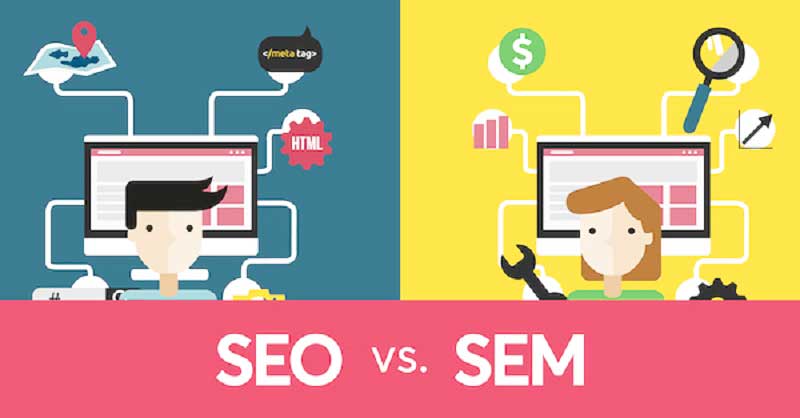
Search Engine Optimization (SEO) is the organic, non-paid methodology of enhancing a website’s visibility in search engine results pages (SERPs). It involves optimizing various elements on a website to align with search engine algorithms, ultimately improving the site’s ranking. Key aspects of SEO include:
- Keyword Optimization: Crafting content around relevant keywords to attract organic traffic.
- On-Page Optimization: Enhancing individual pages with meta tags, headers, and multimedia elements.
- Quality Content: Producing high-quality, informative content that resonates with the target audience.
- Backlink Building: Establishing a network of quality backlinks to boost the website’s authority.
Benefits of SEO include long-term sustainability, cost-effectiveness, and credibility, as users often trust organic search results more than paid advertisements.
Decoding SEM and Its Dynamic Nature
Search Engine Marketing (SEM) encompasses paid advertising methods to increase a website’s visibility on search engine results pages. Unlike SEO, SEM involves paying for ad placement, commonly through platforms like Google Ads. Key components of SEM include:
- Pay-Per-Click (PPC) Advertising: Advertisers pay a fee each time their ad is clicked, directing users to their website.
- Ad Extensions: Enhancing ads with additional information like contact details, site links, and product details.
- Keyword Research: Identifying high-performing keywords to target specific demographics and interests.
- Ad Copy Optimization: Crafting compelling ad copies to entice users to click.
SEM provides immediate visibility and control over the ad campaign, making it an effective strategy for quick results and targeting specific demographics.
A Symbiotic Relationship: When SEO Meets SEM
While SEO and SEM operate independently, integrating these strategies can amplify their impact. A holistic digital marketing approach involves leveraging the strengths of both methodologies. For instance:
- Keyword Synergy: Identifying high-performing keywords through SEM campaigns can inform SEO content strategies.
- Comprehensive Analytics: Utilizing data from both SEO and SEM campaigns for a more comprehensive understanding of user behavior.
- Brand Visibility: Combining organic search results (SEO) with paid advertisements (SEM) increases a brand’s overall online visibility.
Conclusion
In the ever-evolving landscape of digital marketing, mastering the intricacies of both SEO and SEM is crucial for businesses aiming to thrive online. While SEO builds a solid foundation for long-term success, SEM injects immediacy and precision into marketing campaigns. The synergy between these two strategies can unlock unprecedented opportunities, providing businesses with a comprehensive approach to conquering the digital frontier. As technology advances and consumer behaviors evolve, staying informed about the nuances of SEO and SEM will remain pivotal for sustained online success.
“Just remember that you can test different video lengths until you find what works best –– the sweet spot. Pay attention to your video performance and adjust until you see success.”