

In the vast landscape of digital marketing, Search Engine Optimization (SEO) stands as a powerful tool to enhance online visibility and drive organic traffic to your website. This quick beginner’s guide aims to demystify SEO, providing a comprehensive overview of what it is, how it works, and why it’s essential for your online success.
Understanding SEO
SEO, at its core, is the practice of optimizing your website to rank higher on search engine results pages (SERPs). The primary goal is to increase visibility to your target audience when they search for relevant queries. It involves a combination of on-page and off-page strategies.
On-Page SEO: On-page elements include optimizing content, meta tags, headings, and images. Creating high-quality, relevant content is crucial, and ensuring proper keyword placement can significantly impact your site’s ranking.
Off-Page SEO: Off-page SEO focuses on building your website’s authority and credibility through backlinks. Quality backlinks from reputable sources signal to search engines that your content is valuable and trustworthy.
How SEO Works
Search engines, such as Google, employ complex algorithms to determine the relevance and authority of web pages. Understanding the basics of how these algorithms work is key to crafting an effective SEO strategy.
Crawling and Indexing: Search engines use crawlers to navigate the web and index content. Ensuring that your website is crawlable and has a clear site structure helps search engines understand your content.
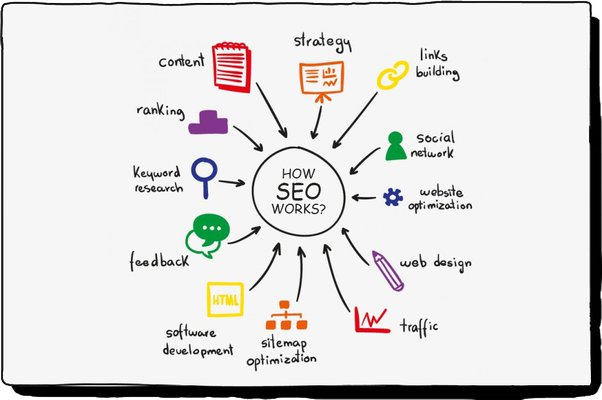
Ranking Factors: Various factors influence search engine rankings, including relevance, authority, user experience, and mobile-friendliness. Google’s algorithms consider over 200 factors when determining where a page should rank.
SEO Best Practices
Implementing SEO best practices is crucial for success. Here are some fundamental strategies to enhance your website’s SEO:
Keyword Research: Identify relevant keywords for your business and incorporate them naturally into your content. Use tools like Google Keyword Planner to discover high-performing keywords.
Content Quality: Create engaging, informative, and valuable content that addresses the needs of your target audience. High-quality content attracts users and encourages them to stay on your site, reducing bounce rates.
Technical SEO: Optimize technical aspects, including site speed, mobile responsiveness, and URL structure. A well-optimized website not only improves user experience but also gains favor with search engines.
Conclusion
In conclusion, SEO is a dynamic and essential component of digital marketing that can significantly impact your online presence. By understanding the fundamentals of SEO, implementing best practices, and staying abreast of algorithm updates, you can unlock the full potential of search engine optimization to drive organic traffic and achieve online success.
“Just remember that you can test different video lengths until you find what works best –– the sweet spot. Pay attention to your video performance and adjust until you see success.”